How to do a Spring Reset for your Life, Goals and Mindset
There’s something about spring that makes us want to begin again After the slower pace of winter, the lighter mornings and longer days seem to bring a quiet shift in energy, and suddenly many of us feel the urge to open the windows, clear the clutter and refresh our routines.
While people often think of a spring reset as simply tidying their home or doing a deep clean, a meaningful reset usually goes much deeper than that.
Spring can be a natural moment to pause and ask yourself how life is actually feeling right now. Are your routines supporting the life you want to build, or are they leaving you feeling constantly behind? Are your goals still exciting, or have they quietly drifted into the background? Does your planning allow you to implement or is it quietly holding you back?
A true spring reset is less about starting from scratch and more about creating space, both mentally and physically, so you can move into the next season with greater clarity and intention.
In this blog post, we’ll explore a gentle way to reset your mindset, your goals and your routines so that the next few months feel calmer, more focused and aligned with what matters most.
Why spring is the perfect time to reset
January often carries a lot of pressure when it comes to fresh starts, yet spring can actually be a far more natural moment to reflect and recalibrate (some people even wait until spring to set their goals, and I totally get why!)
By this point in the year, you have already experienced the reality of your routines and commitments, which means you have a much clearer understanding of what is working and what is not. The goals you set in January might still feel meaningful, or you may have realised that some of them need adjusting.
Seasonal change also tends to influence our energy more than we realise. As the days grow longer and the world outside begins to feel lighter again, many people naturally experience a renewed sense of motivation and mental clarity.
Instead of pushing forward with habits or plans that no longer feel right, a spring reset allows you to step back for a moment, reflect on where you are now, and realign with the direction you want to move in.
Step 1: Reflect on the first part of the year
Before creating new plans, the most helpful place to begin is reflection.
Many of us instinctively want to move straight into action whenever we feel the need for change, yet taking a little time to reflect can make everything that follows far more intentional. When you pause and look honestly at how the year has been unfolding so far, patterns often start to reveal themselves.
You might notice which activities or routines are energising you and which ones are quietly draining your attention. You may realise that certain habits are helping you move forward consistently, while others are making your days feel more scattered than they need to be.
If you are unsure where to begin, a few simple questions can open the door to deeper clarity (tip: use these as journal prompts).
What has gone well so far this year?
What currently feels overwhelming or out of balance?
Are there any routines or habits that no longer support the way you want to live or work?
What would you like the next few months to feel like?
Writing your thoughts down can make this process much easier. When ideas stay in your head they often circle endlessly, but putting pen to paper helps organise those thoughts and turn vague feelings into something clearer.
This is also where journaling can become a powerful ritual. Even a few minutes of reflection each day can help you slow down, notice progress and reconnect with what matters most. A simple gratitude journaling practice, for example, can create a grounding moment in the day where you step away from distractions and focus on what is already going well.
If you ever sit down to journal and find yourself wondering what to write, guided prompts can help. Our free guide with 50 journaling prompts for calm, clarity and confidence is designed to make reflection easier and help you reconnect with your thoughts when life feels busy.
OUR RECOMMENDATIONS
Step 2: Reset your environment
Once you’ve taken time to reflect, the next step in a spring reset is often your environment.
Our surroundings influence our mindset more than we sometimes realise, which is why cluttered spaces can quietly contribute to feelings of overwhelm. When your workspace feels chaotic or crowded, it becomes much harder to think clearly and focus on the things that matter most.
A simple reset of your physical space can therefore create an immediate sense of calm - you might begin by clearing your desk, organising your notebooks or refreshing the tools you use to plan your week. Creating a small, intentional space where you can sit down and think without distractions can make everyday planning feel far more enjoyable.
The goal here is not perfection. Instead, it’s about creating an environment that supports clarity and calm rather than adding to the noise of daily life.
Step 3: Create space away from screens
One part of a spring reset that can also be beneficial is taking the opportunity to do this on paper and away from the screen.
Most of us spend a large part of the day moving between emails, notifications and endless tabs, which can leave our attention fragmented without us even noticing. Technology is incredibly useful, but it rarely gives our minds the quiet space needed for deeper thinking.
This is where analogue moments like this can become incredibly valuable.
When you sit down with a notebook or journal and allow yourself time to write, reflect or plan on paper, your mind naturally begins to slow down. Without notifications interrupting your thoughts every few minutes, it becomes easier to focus on the bigger picture and think clearly about the direction you want your life or work to move in. Many people find that their clearest ideas appear during these quiet moments with pen and paper. In a world filled with constant digital noise, these small analogue rituals can offer a rare sense of clarity.
Step 4: Revisit your goals
A spring reset is also the perfect moment to revisit your goals.
Many people set intentions at the start of the year, only to find that by March those goals have become lost under everyday responsibilities. This does not mean the goals were unrealistic, it simply means they have not been revisited often enough.
Instead of abandoning them completely, spring offers an opportunity to reconnect with them.
Ask yourself whether the goals you set earlier in the year still feel meaningful. If they are, the next step is breaking them down into smaller, more manageable actions so that progress feels achievable.
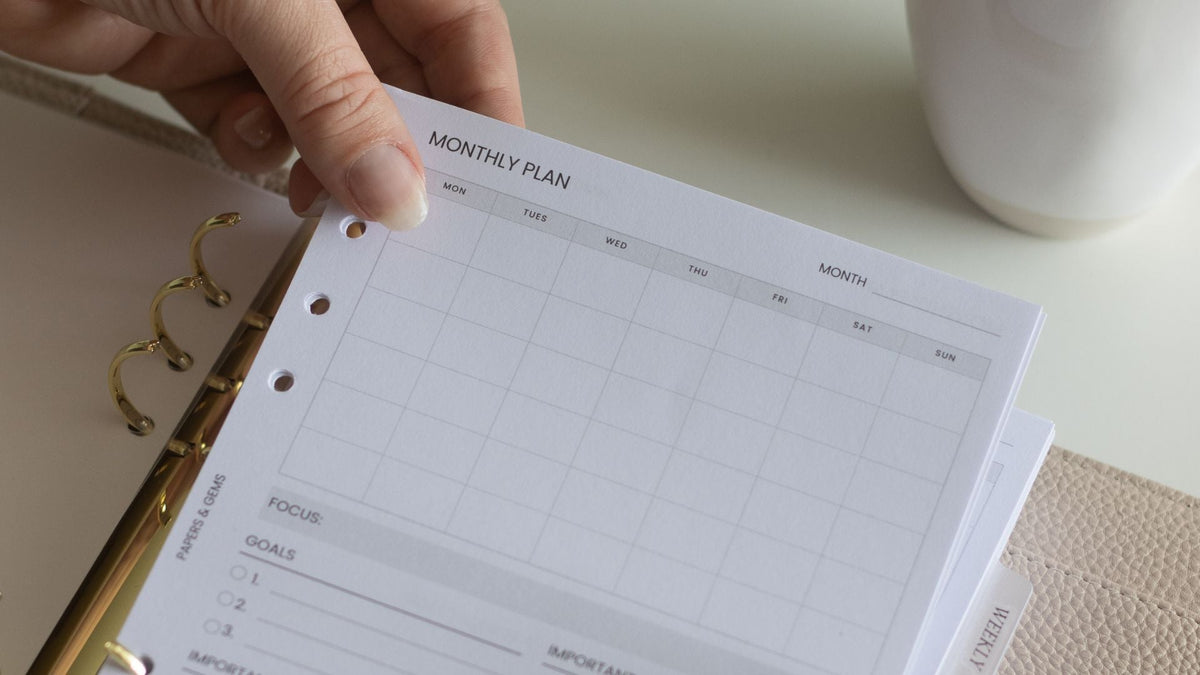
This is where having a clear planning system can make a huge difference. Mapping your goals across shorter planning cycles allows you to stay focused without feeling overwhelmed by the entire year at once. Many people find that using a flexible planner system helps them keep their priorities visible and adjust their plans as life evolves.
Step 5: Reset your weekly routine
Big changes rarely happen overnight, the biggest shifts usually come from small routines that are repeated consistently.
A weekly reset ritual can be one of the simplest ways to stay aligned with your goals and priorities.
This might include spending ten minutes each week reviewing what worked well, what needs adjusting and what your main focus should be in the coming week. Writing down your priorities for the week can bring an immediate sense of clarity and help prevent the feeling of constantly reacting to everything around you. You’ll get so much clarity on the important actions you need to take.
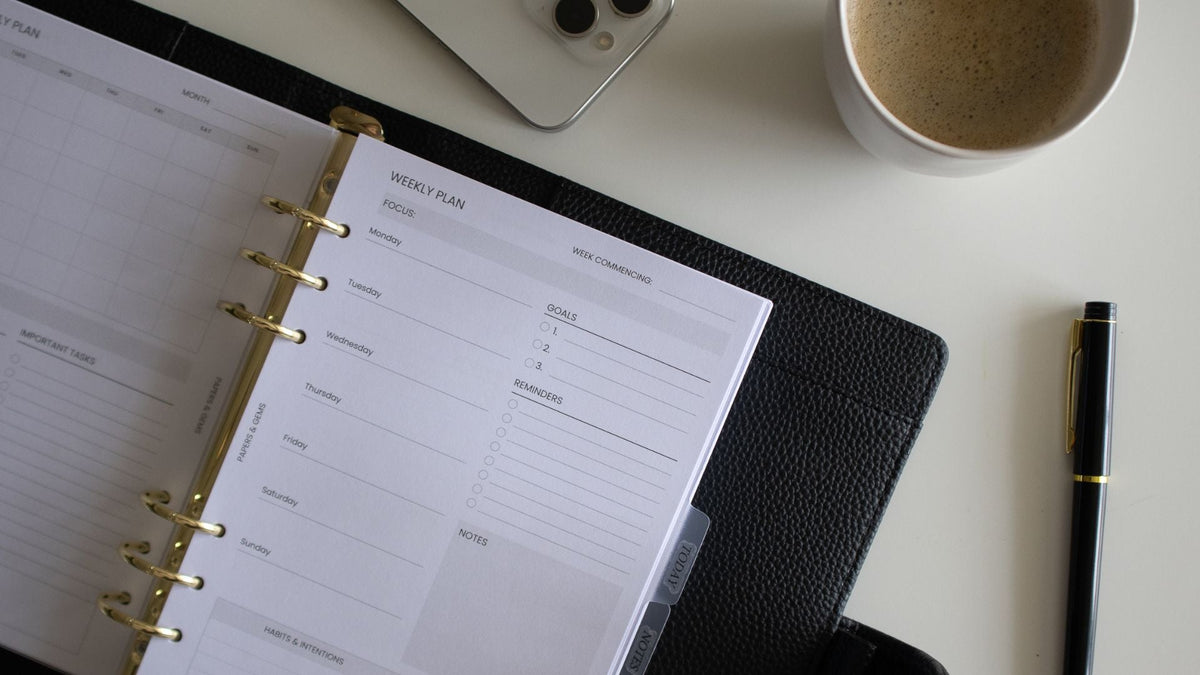
To get started with a weekly planning system that helps you stay aligned toward your goals and taking action, you might like this planner.
OUR RECOMMENDATIONS
"When planning becomes a regular habit rather than something you only do occasionally, your days begin to feel much more intentional."
Spring reset checklist
If you’d like to try a simple spring reset this week, start with these small steps.
Reflect on how the year has been going so far
Write down what is currently working and what is not
Declutter or refresh your workspace
Spend some time away from screens and reflect on paper
Revisit your goals and adjust them if needed
Plan your priorities for the coming weeks
Create a small weekly planning ritual
"You don't need to do everything at once. Even choosing one or two of these steps can create a noticeable shift in how your days feel."

A gentle reminder
A reset does not have to be dramatic to be meaningful - sometimes the most powerful changes begin with something small, like clearing your desk, writing down your thoughts or taking ten minutes to plan your week with intention. When these small habits become part of your routine, they gradually create more clarity, focus and calm in your everyday life.
Spring simply offers a beautiful moment to pause, reset and begin again.